This article may include affiliate links that earn us a small commission at no extra cost to you.


Introducing The Studio Display and Studio Display XDR
Apple’s New Studio Displays: What Gamers Should Know

Studio Display XDR is Apple’s new high-end monitor with mini-LED lighting, strong HDR brightness, and a 120Hz refresh rate. Apple also updated the regular Studio Display, which keeps its 60Hz panel but adds Thunderbolt 5 and improved camera and audio hardware.
The launch expands Apple’s desktop display lineup and gives Mac users two 5K monitor options with very different performance levels.
Studio Display vs Studio Display XDR
Both monitors use a 27-inch 5K Retina panel with a resolution of 5120 by 2880. Each model also includes a built-in camera, microphone array, and speaker system designed for video calls, streaming, and everyday desk use.
The main difference is how the display handles brightness, motion, and HDR content.
Studio Display
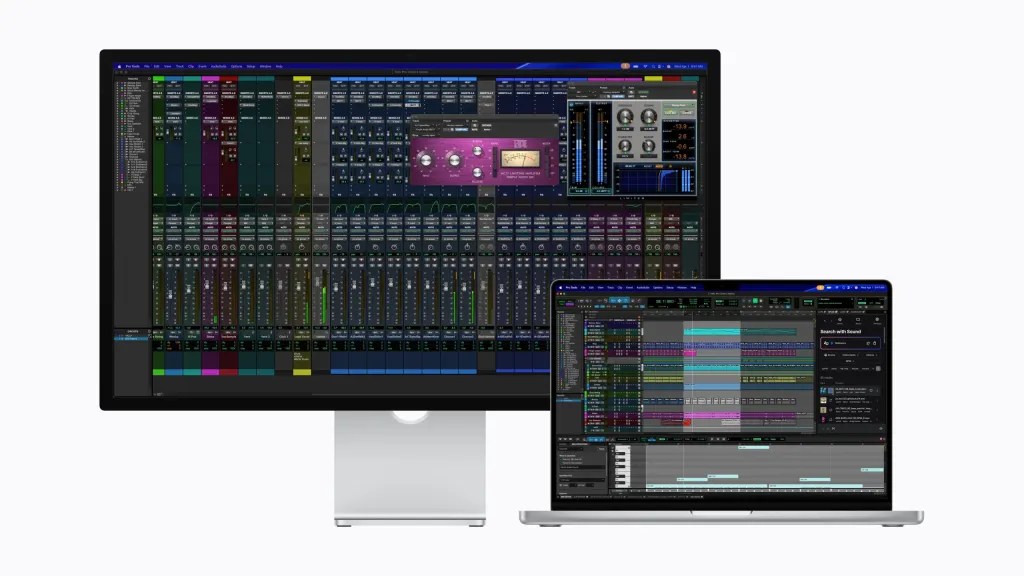

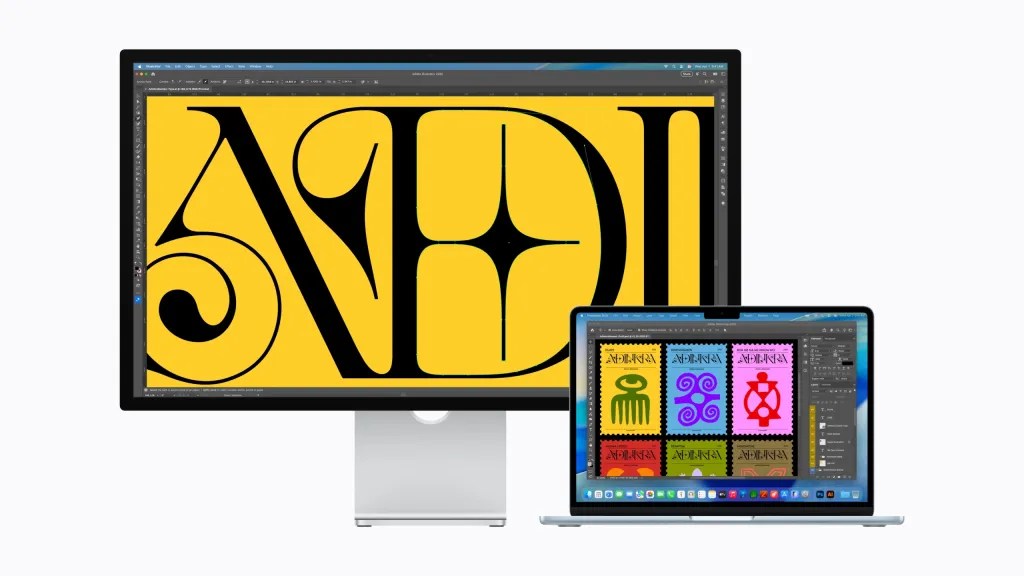
The updated Studio Display keeps the same panel specifications as the earlier version. Apple focused its changes on connectivity and front-of-desk hardware.
Key specifications include:
- 27-inch 5K Retina display
- 5120 by 2880 resolution
- 600 nits brightness
- 60Hz refresh rate
- P3 wide color with support for one billion colors
- Thunderbolt 5 with up to 96W charging
The display includes a 12MP ultra-wide camera with Center Stage, which keeps the person centered during video calls. Desk View can show both the speaker and a top-down view of their desk at the same time.
Audio comes from a six-speaker system with Spatial Audio and Dolby Atmos support. A three-microphone array handles voice capture during calls or recordings.
Studio Display XDR
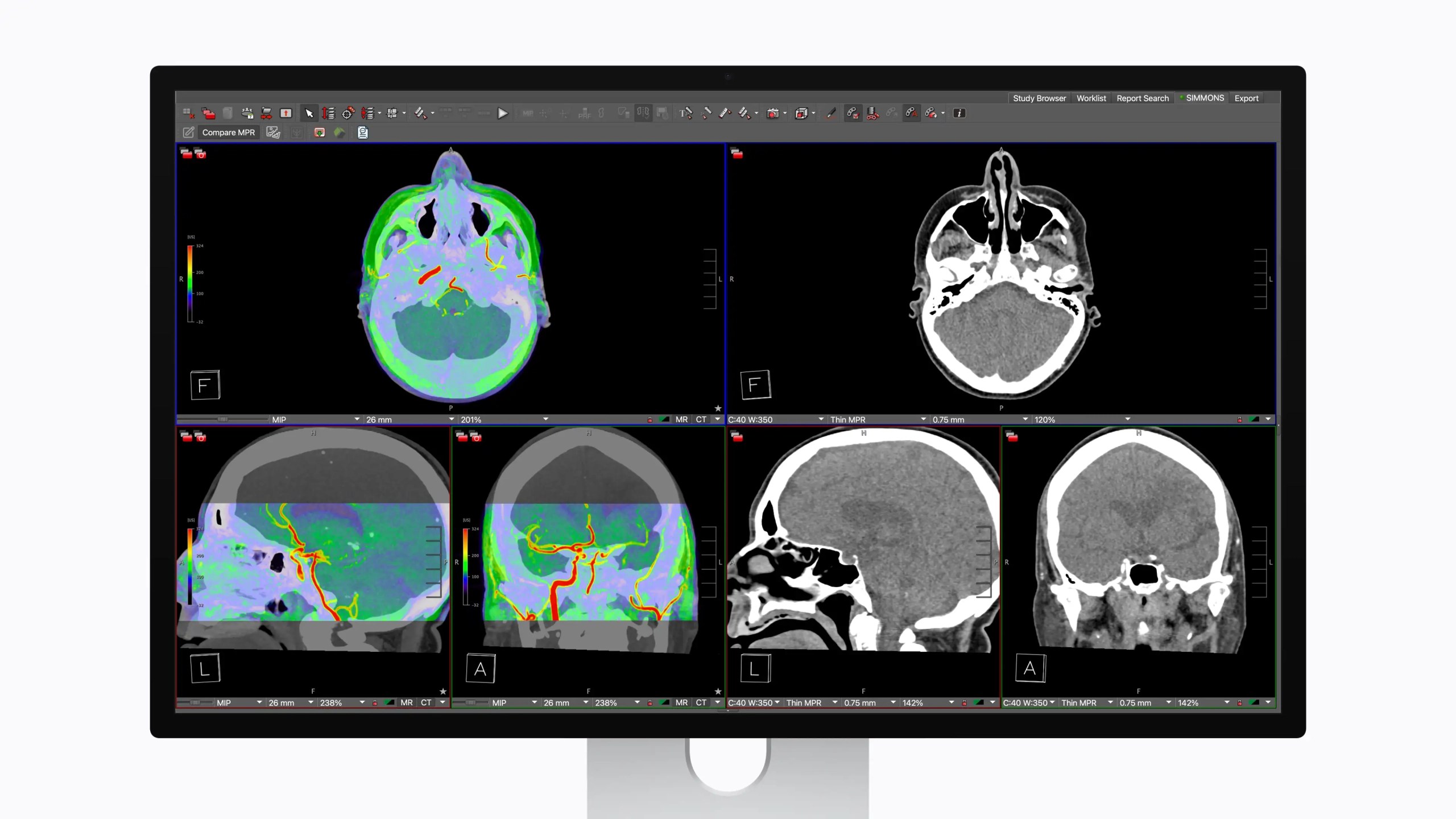
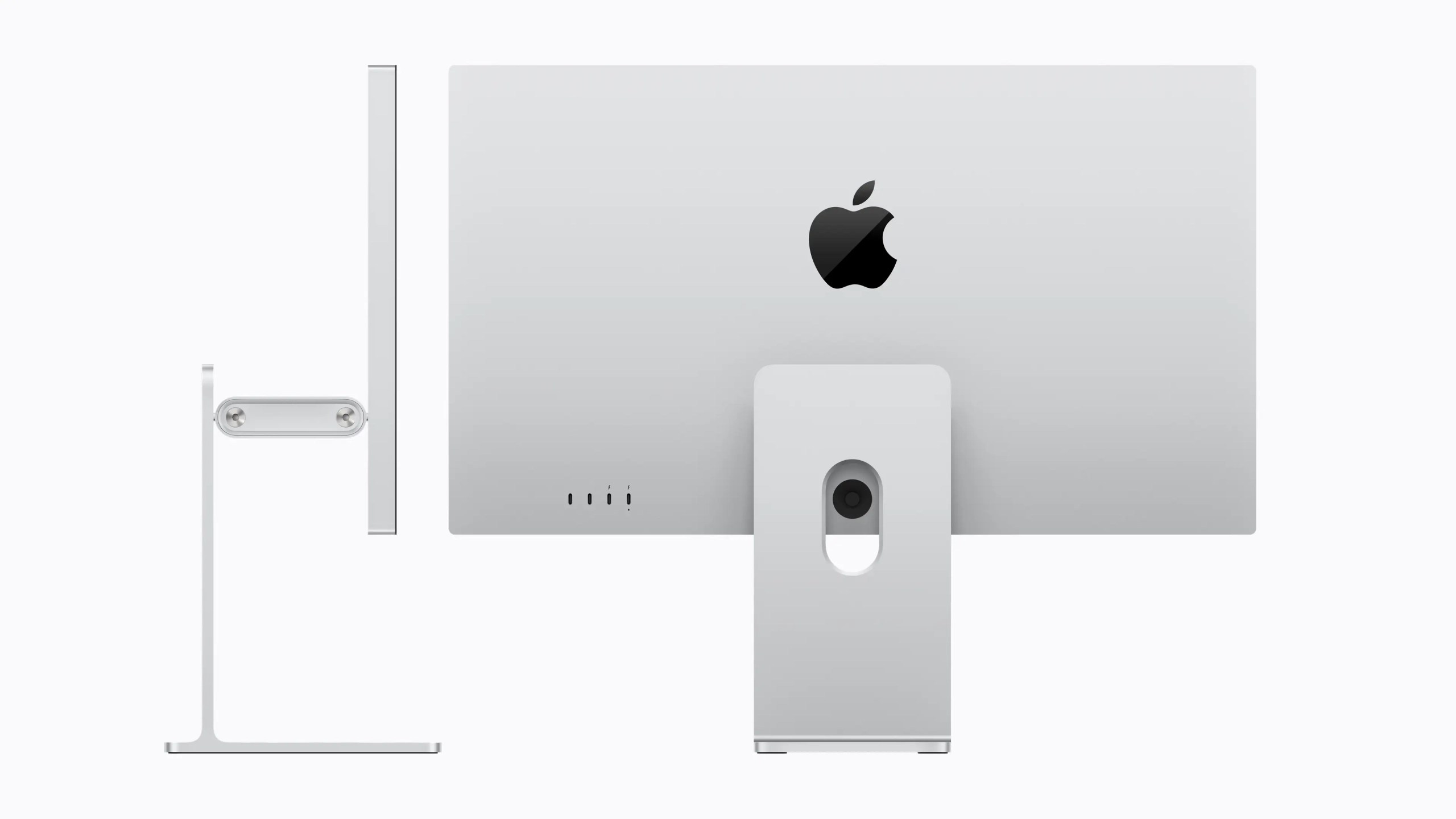
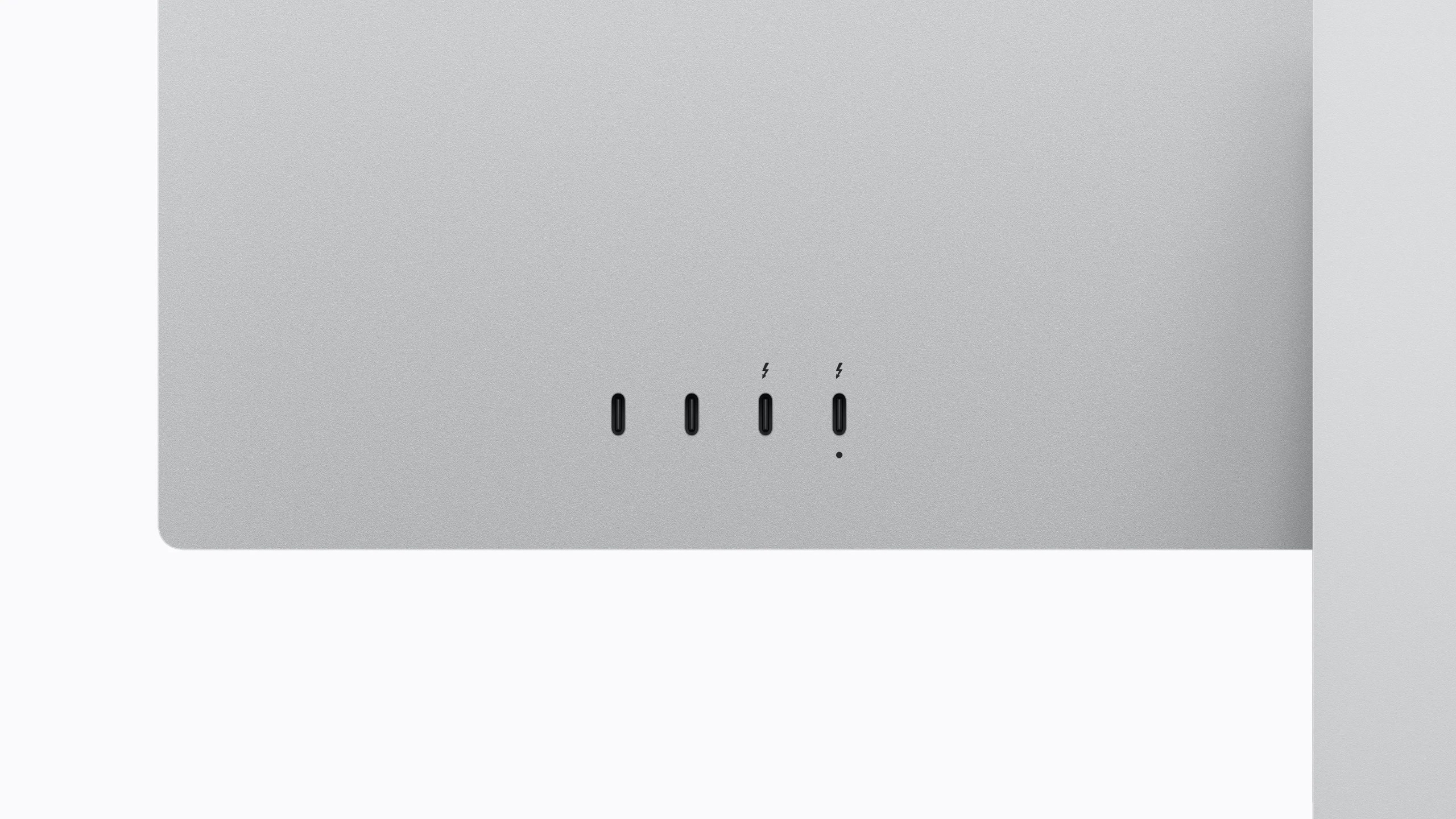

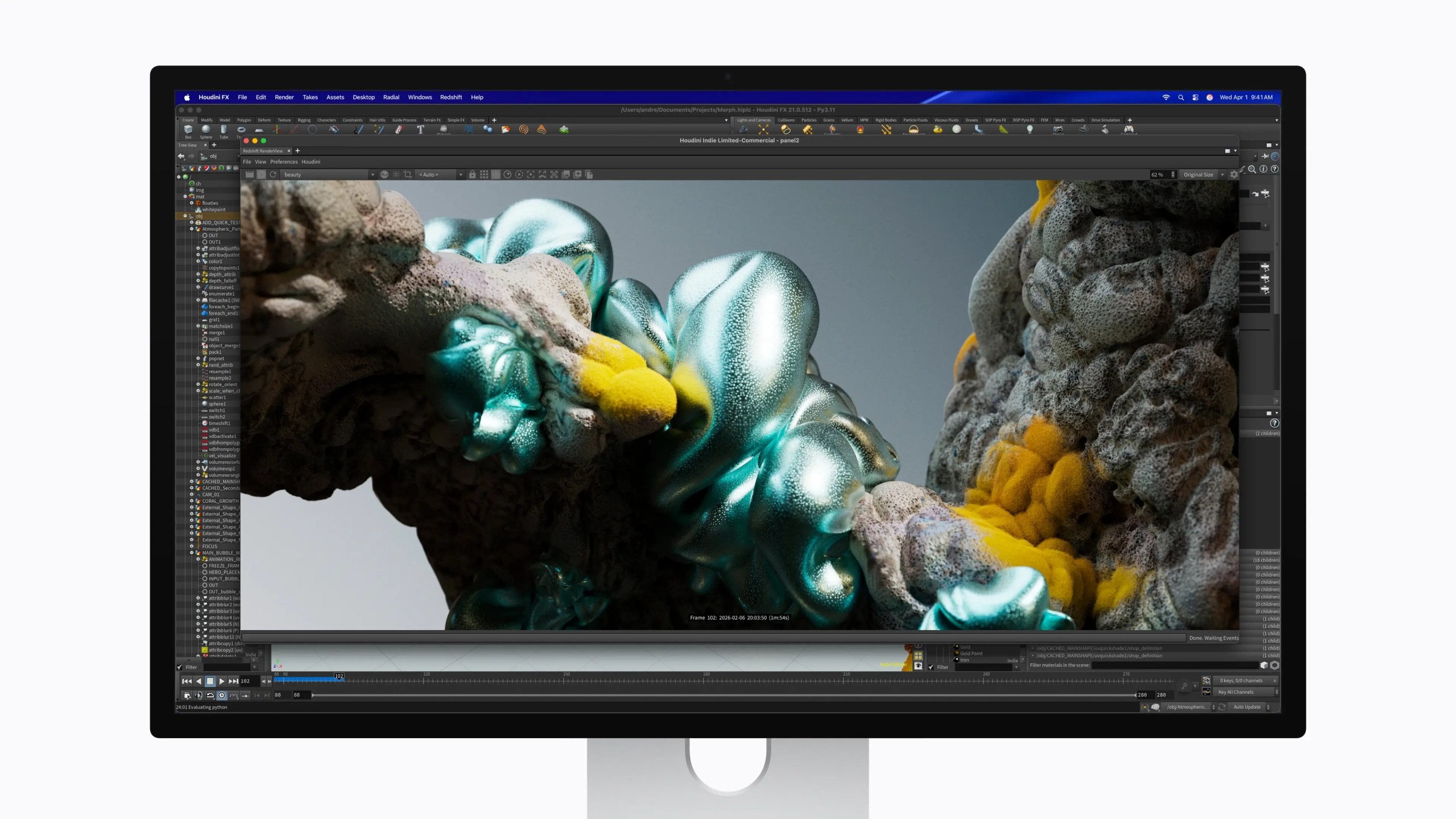
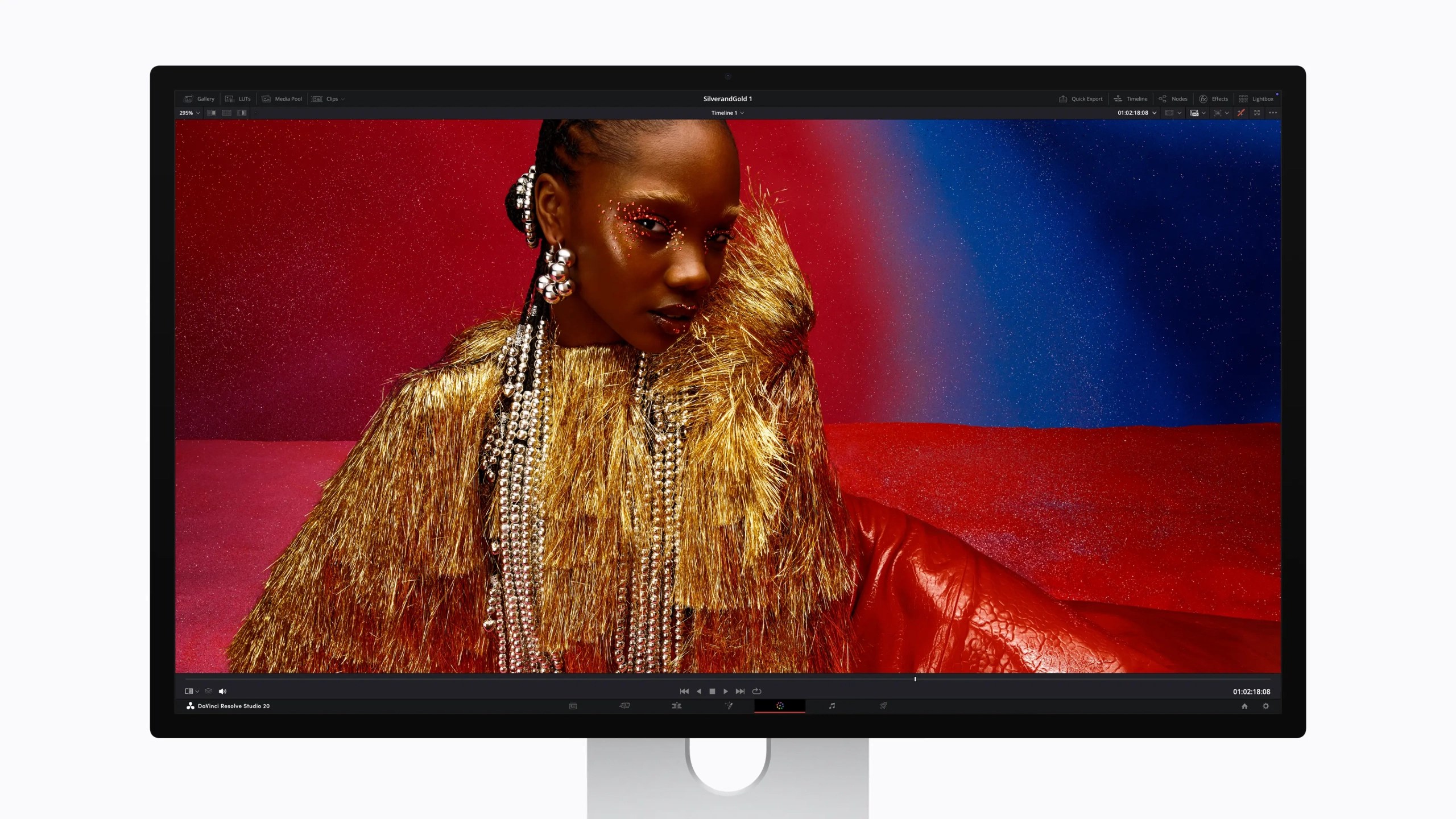
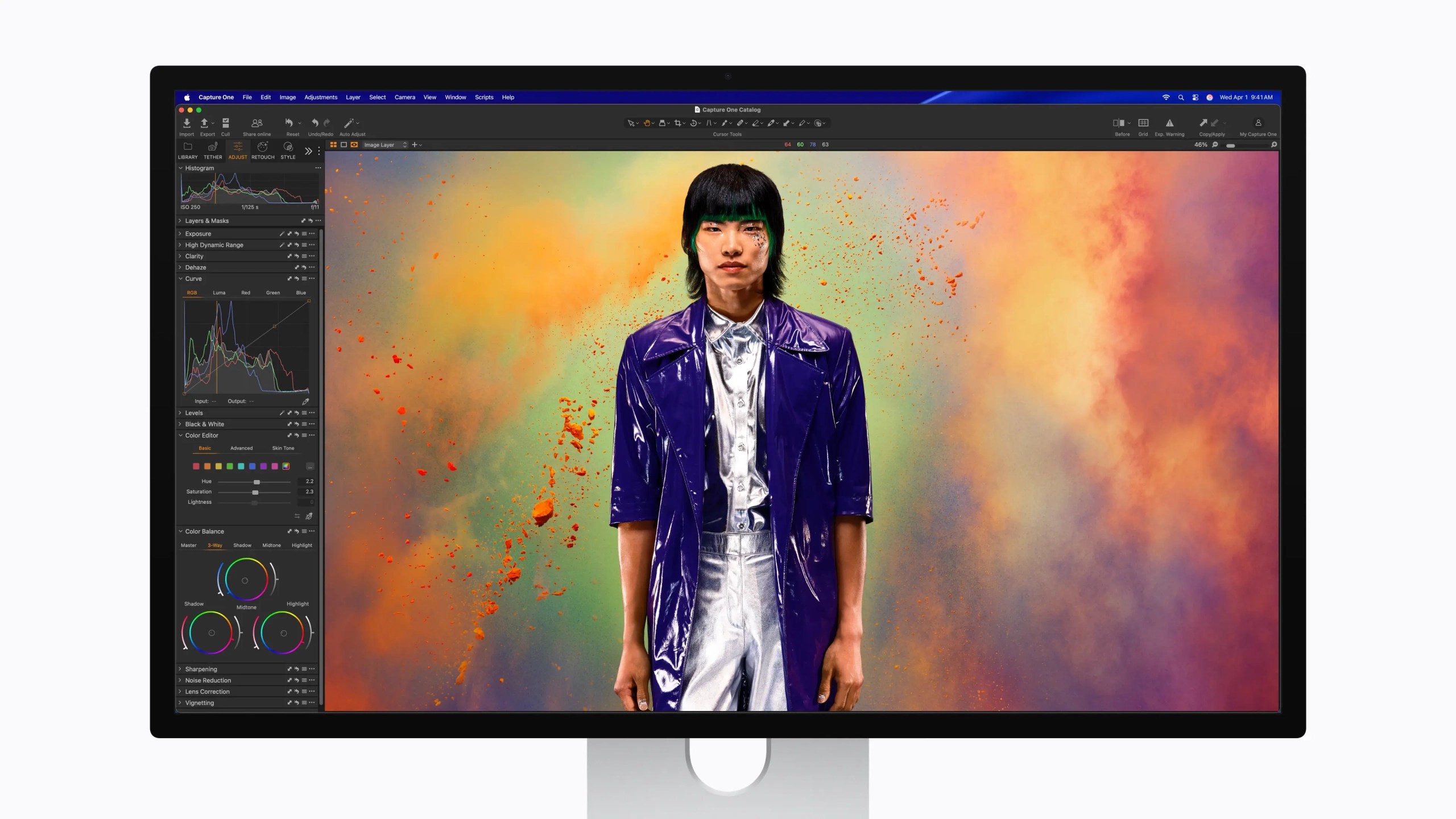
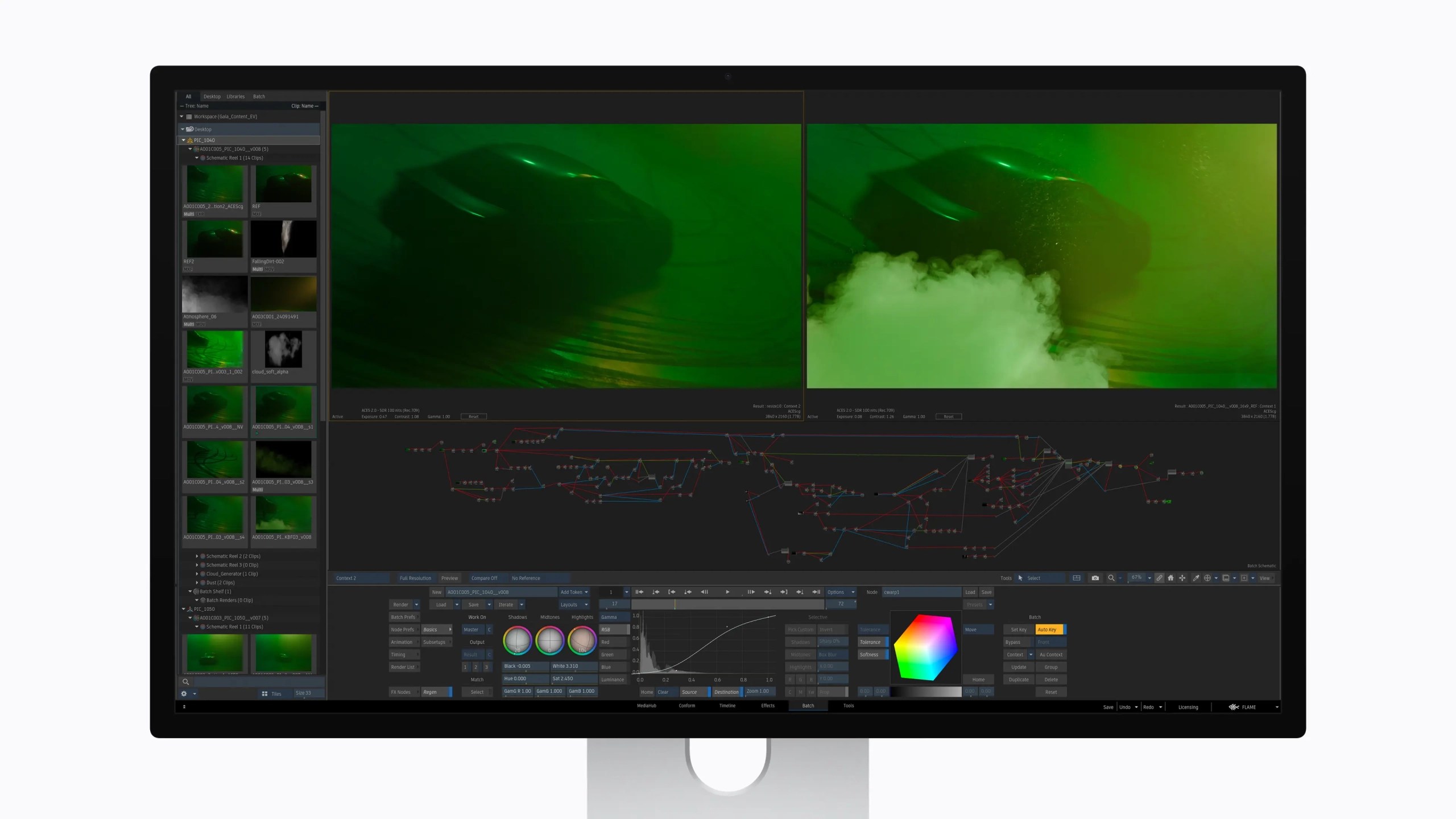
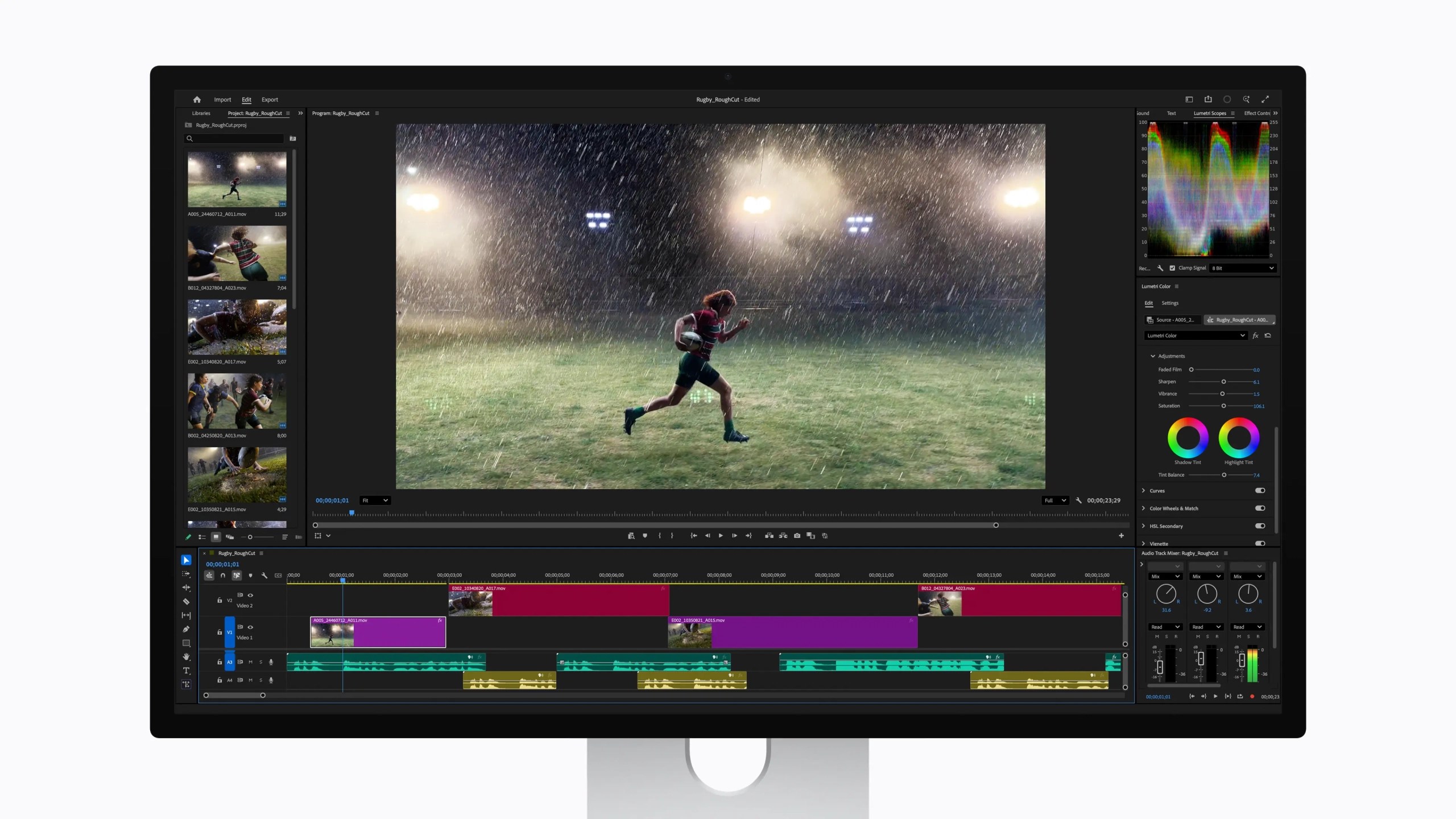
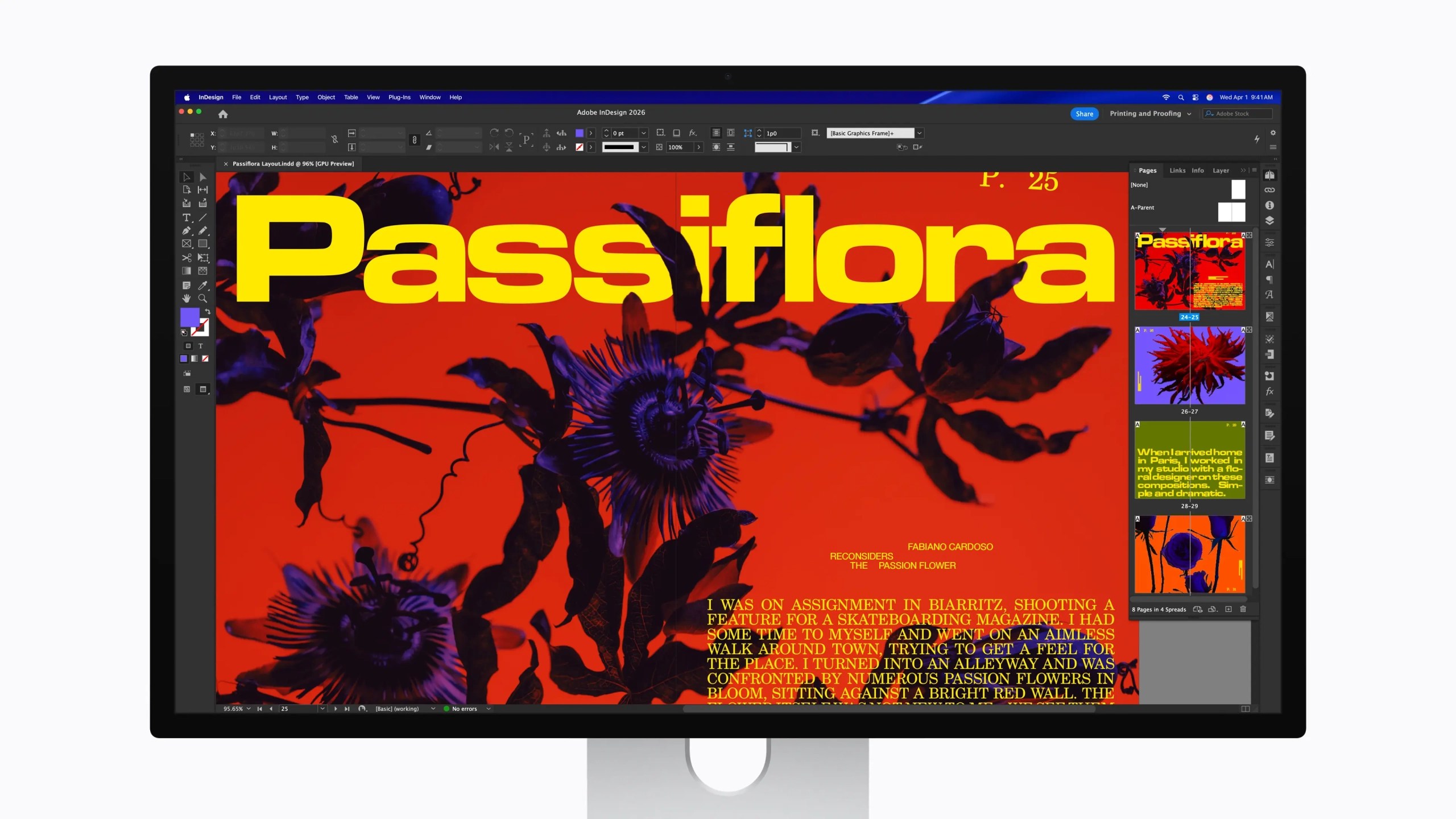
The Studio Display XDR adds a mini-LED backlight system designed for higher brightness and stronger contrast. The panel includes 2,304 local dimming zones that control brightness across small parts of the screen.
Display specifications include:
- 27-inch 5K Retina XDR display
- Mini-LED backlight with 2,304 dimming zones
- Up to 1,000 nits sustained brightness
- Up to 2,000 nits peak HDR brightness
- 120Hz refresh rate with Adaptive Sync
- P3 and Adobe RGB color support
The higher refresh rate helps motion appear smoother in fast scenes. Local dimming improves contrast in darker images by allowing bright and dark areas to appear at the same time.
Apple includes the same camera, microphone array, and six-speaker audio system found in the standard Studio Display.
Connectivity and desk setup
Both displays use Thunderbolt 5 as the main connection to a Mac. This connection allows the monitor to power a laptop while also carrying video data and accessory connections.
Studio Display supports up to 96W charging for a connected MacBook. Studio Display XDR supports up to 140W charging.
Each display also includes additional USB-C ports for accessories such as external storage, cameras, or other peripherals.
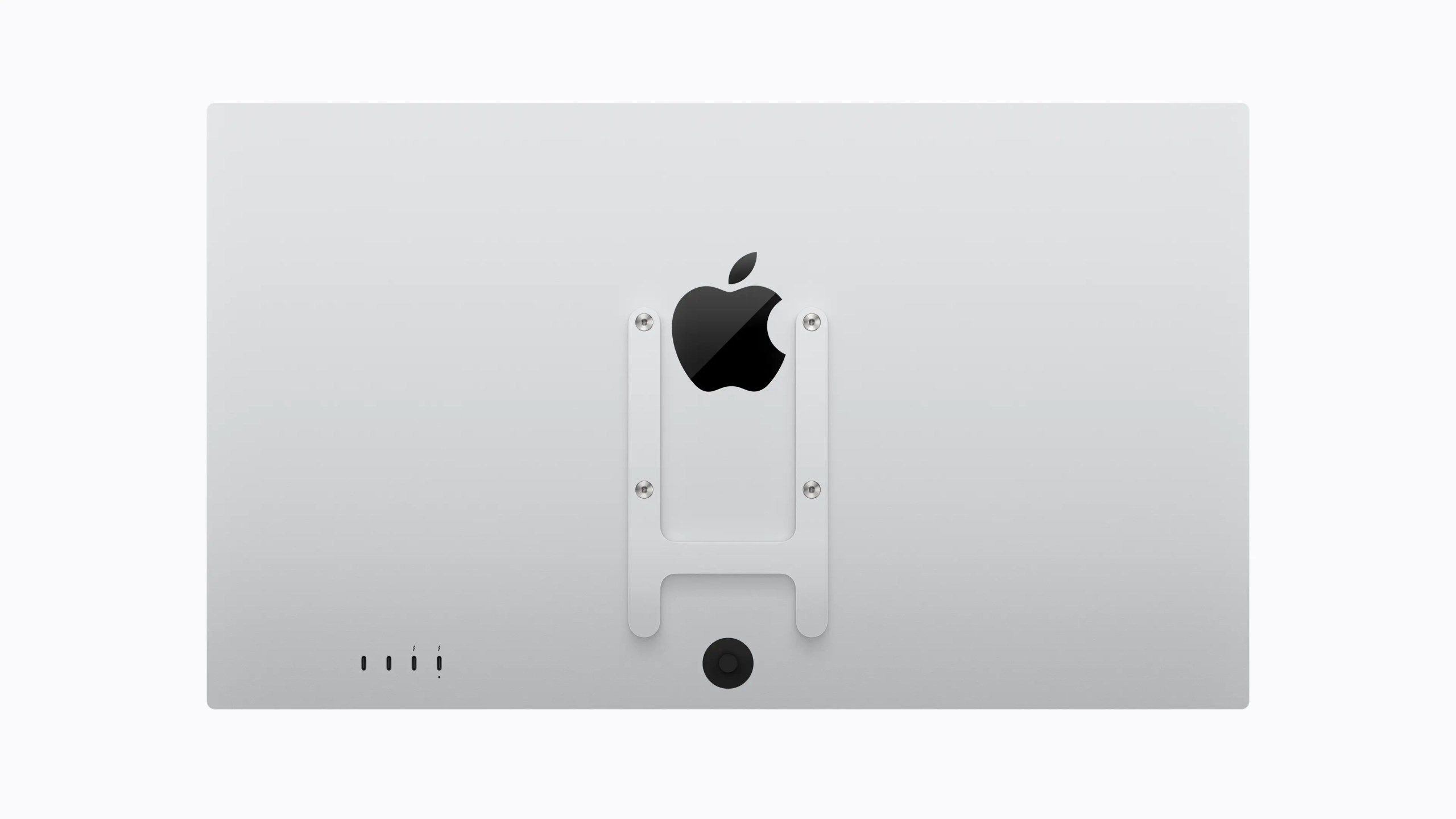
Stand options include a tilt-adjustable stand, a tilt-and-height adjustable stand, or a VESA mount adapter for monitor arms and multi-display setups.
Pricing and availability
Apple released two pricing tiers for the display lineup.
Studio Display starts at $1,599, or $1,499 for education buyers.
Studio Display XDR starts at $3,299, or $3,199 for education buyers.
Both displays offer standard glass or optional nano-texture glass designed to reduce glare in bright environments.
Pre-orders opened March 4 through Apple’s website and Apple Store app. Retail availability begins March 11 in the United States and other launch markets.
Which display specifications matter more in a desk setup, refresh rate or brightness?


