This article may include affiliate links that earn us a small commission at no extra cost to you.


AI, VR, Cloud Gaming is Making Entertainment More Interactive
Interactive Entertainment in 2026 is changing fast, and the way AI, VR, and cloud gaming are shaping it comes down to one clear shift, people are taking part in content instead of only watching it.
The Shift From Watching to Taking Part
Gamers are no longer just sitting back and watching content. They are stepping into it, reacting to it, and changing it as it happens.
Streaming, gaming, and social apps are blending together. You can watch a stream, jump into the same game, then talk with friends without leaving the same space. What used to feel split across different apps now feels tied together in one loop.
- Watch a stream
- Join the game
- Talk in real time
Entertainment now works differently from start to finish. The screen is still there, but the role has changed. Gamers are not only following what is in front of them. They are part of what happens next.
AI Is Making Games and Content Smarter

Smarter NPCs and Changing Worlds
AI is making characters act better. NPCs react to choices, remember actions, and feel less scripted.
In newer games, moments feel less predictable. Dialogue changes, missions shift, and results move based on how gamers play. Worlds feel less fixed, even when the game still follows a clear structure.
AI is turning fixed game paths into systems that react to how gamers play.
Personal Experiences
AI can change difficulty, pacing, and even story direction. Two gamers can play the same game and still have different experiences.
Netflix says about 80 percent of views come from AI suggestions, and similar systems are now showing up in gaming feeds. The same basic idea is spreading across entertainment. What you watch, what you play, and what shows up next are becoming more personal.
Faster Content Creation
Controversially studio are using AI to speed up development, but it does helps with voice work, environments, and testing.
Development speed improves as teams use these tools. Smaller teams can do more work without needing the size of a large studio.
VR and AR Put You Inside the Experience
From Screen to Space
VR moves gamers from watching a screen to standing inside the world.
Games, events, and social spaces feel more direct in this format. A flat display keeps the experience in front of you. VR surrounds the gamer instead.
Mixed Reality Is Growing
AR blends digital content with real spaces. Your room can become part of the game.
Devices are getting lighter, which is helping more gamers try it. Comfort has always been one of the biggest barriers. Easier hardware makes these experiences feel more normal to use.
Social VR Is Growing
Gamers are meeting inside virtual spaces more often. Co-op play and shared events are becoming more common.
VR is shifting toward shared spaces where gamers meet, not just play alone.
Social interaction plays a bigger role here. VR works better when it feels less isolated. It is becoming a place to hang out, play, and watch things together.
Cloud Gaming Removes Hardware Limits
Play Without a Console
Cloud gaming streams games instead of running them locally. You can play on a phone, TV, or laptop without needing costly hardware.
A powerful setup is no longer required to try high-end games. The device matters less when processing happens remotely.
Flexible Gaming Across Devices
Gamers can switch devices without losing progress. There are no downloads or updates slowing things down.
Flexibility is a key reason cloud gaming keeps growing. It fits into more parts of daily life by removing setup time.
Quick Comparison
| Feature | Traditional Gaming | Cloud Gaming |
|---|---|---|
| Hardware Needed | High | Low |
| Storage | Limited | None |
| Updates | Manual | Automatic |
| Device Flexibility | Low | High |
Cross-Platform Gaming Is Now Normal
Gamers are no longer split by platform. PC, console, and mobile gamers are often in the same lobbies now.
Games like Fortnite and Warframe show how this works. Matchmaking is faster, and playing with friends is easier across devices. Bigger shared player pools also help games stay active longer.
Gamers Are Becoming Creators
User-Generated Content Is Growing
Games are becoming platforms where gamers can make their own content, including maps and custom modes.
The role of the audience is changing. Instead of only moving through content made by a studio, gamers can shape part of the experience themselves.
AI Makes Creation Easier
AI tools help gamers create content without needing advanced skills.
More people can make things, test ideas, and add content without needing a technical background.
Communities Drive Content
Games stay active longer because gamers keep adding new experiences.
Ongoing updates from the community keep games moving without relying only on official releases.
Streaming and Gaming Are Blending Together
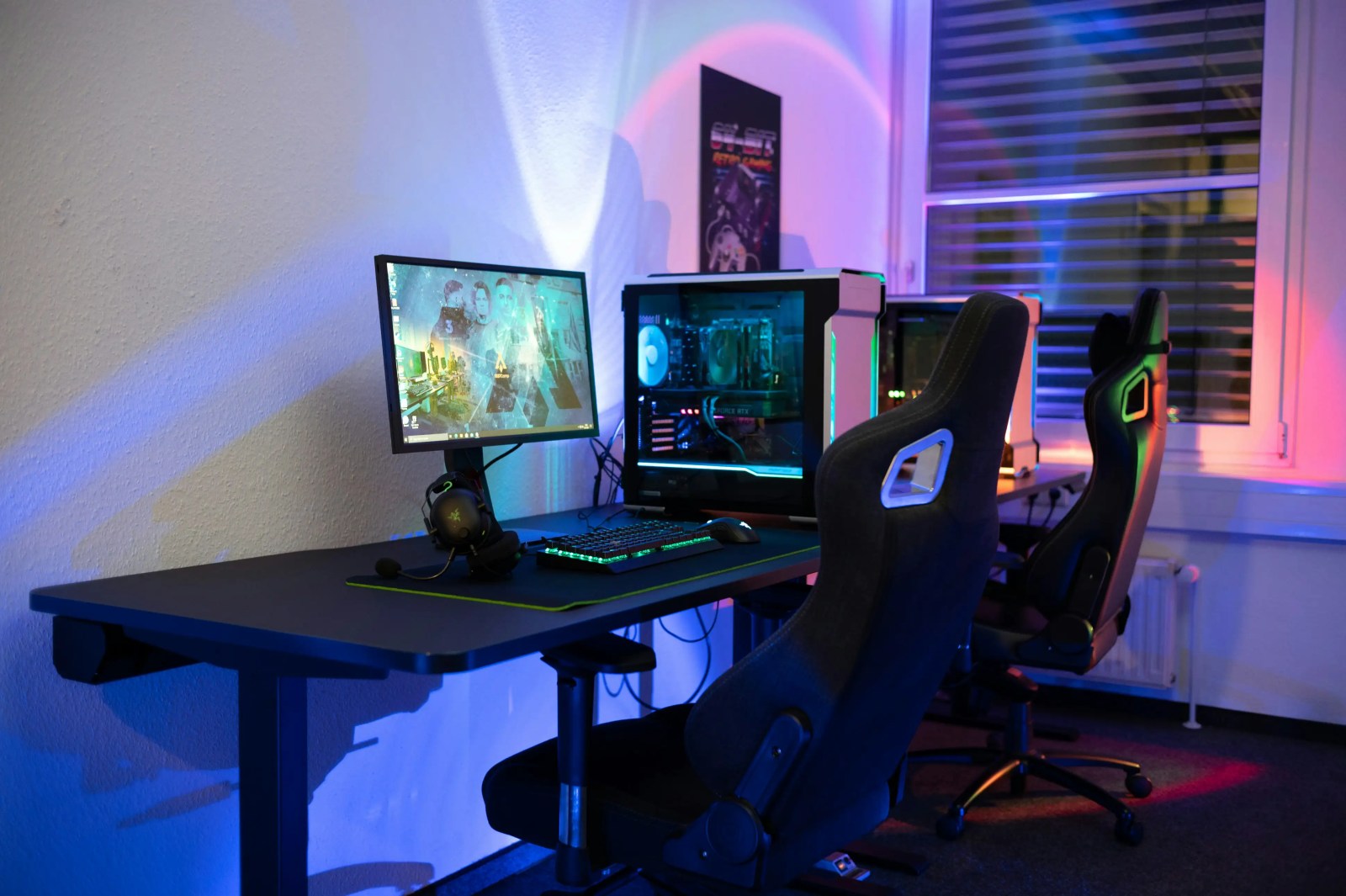
AI Suggestions Shape Everything
AI tracks behavior to suggest what gamers watch and play.
Systems are improving at reading habits, spotting patterns, and pushing content that matches what someone is likely to open next.
Interactive Content Is Growing
Some content now lets viewers affect outcomes in real time.
Viewing becomes more active when live content allows people to affect what happens.
Gaming as Social Space
Platforms like Discord are part of daily gaming, where chatting and sharing happen alongside gameplay.
Gaming, streaming, and social features now run in the same loop instead of separate spaces.
What Gamers Should Expect Next
More AI-driven game systems, better VR and mixed reality hardware, more cloud-based game releases, and stronger cross-platform support are all pointing in the same direction. Entertainment in 2026 is becoming more connected, more reactive, and easier to access across devices.


