This article may include affiliate links that earn us a small commission at no extra cost to you, and some content was created with the help of AI tools but reviewed and approved by a human before publishing.

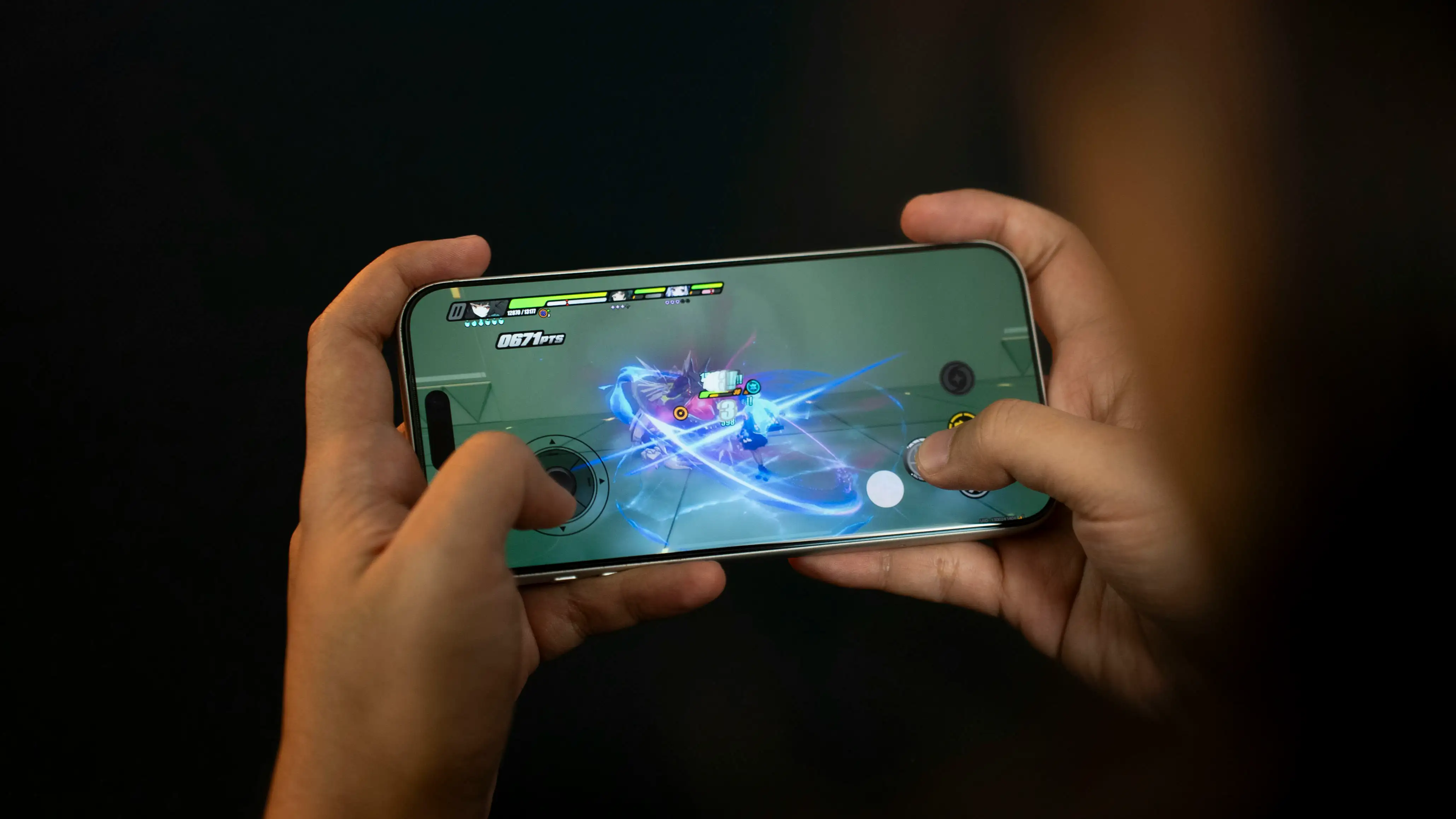
The mobile gaming vs console experience debate keeps growing because phones are now strong enough to run real AAA games. On paper, your iPhone can look more powerful than a handheld console. In your hands, though, it still feels different.
And most gamers notice that fast.
The power is real, but the feel is not

Modern phones can run games like Resident Evil 4 and Genshin Impact at settings that would have seemed wild a few years ago. The performance numbers look great. The frame rates look smooth.
But playing on a phone still does not feel like playing on a console.
That gap has less to do with graphics and more to do with design.
Consoles are built for one job
A console has one main job: run games.
Take the new Nintendo Switch 2. It is built around:
- Steady performance
- Built-in physical controls
- Longer play sessions
- A gaming-first system
There is no email app running behind your game. No random alerts popping up. No battery mode slowing things down.
Phones cannot promise that. Even when you open a game, your device is still handling other tasks.
Performance is about staying steady, not just being fast
Phones can run very fast for short bursts. That looks good in test scores.
Consoles focus on steady performance over time. Smooth frame pacing matters more than a big number.
If you play for an hour, you want the game to feel the same at minute 50 as it did at minute 5. Consoles are made for that. Phones are made to last all day doing many things.
That difference is easy to feel.
Controls change everything

This is a big reason average gamers feel the gap.
On a console, game makers assume:
- You have sticks
- You have triggers
- You have real buttons
So they build games around that control.
On mobile, touch is the default. Controllers are extra.
That means:
- Menus are simpler
- Aiming is easier on purpose
- Game systems are trimmed down
- Some genres feel tight or crowded
Even if you connect a controller, many mobile games still feel like mobile games because they were built for touch first.
Game sessions are built in different ways
Console games expect you to sit down and focus.
Mobile games expect you might stop at any moment.
That changes:
- Save systems
- Mission length
- Difficulty
- Game speed
Console games often aim for deep focus. Mobile games aim for quick play that fits your day.
Both styles work. They just serve different needs.
The mental side matters too
When you pick up a console, your brain switches to game mode.
When you pick up your phone, you are one tap away from messages or social media.
Even if the graphics look close, the feeling is not the same.
That mindset shift is bigger than most people think.
The real takeaway for gamers
Phones now have serious power. That part is no longer the problem.
The real gap in the mobile gaming vs console experience comes from design. Consoles are built only for gaming. Phones are built for everything.
Until that changes, they will keep feeling different, even if the specs look close.
What matters more to you right now, having games in your pocket at all times, or having a device that feels made just for gaming?


